
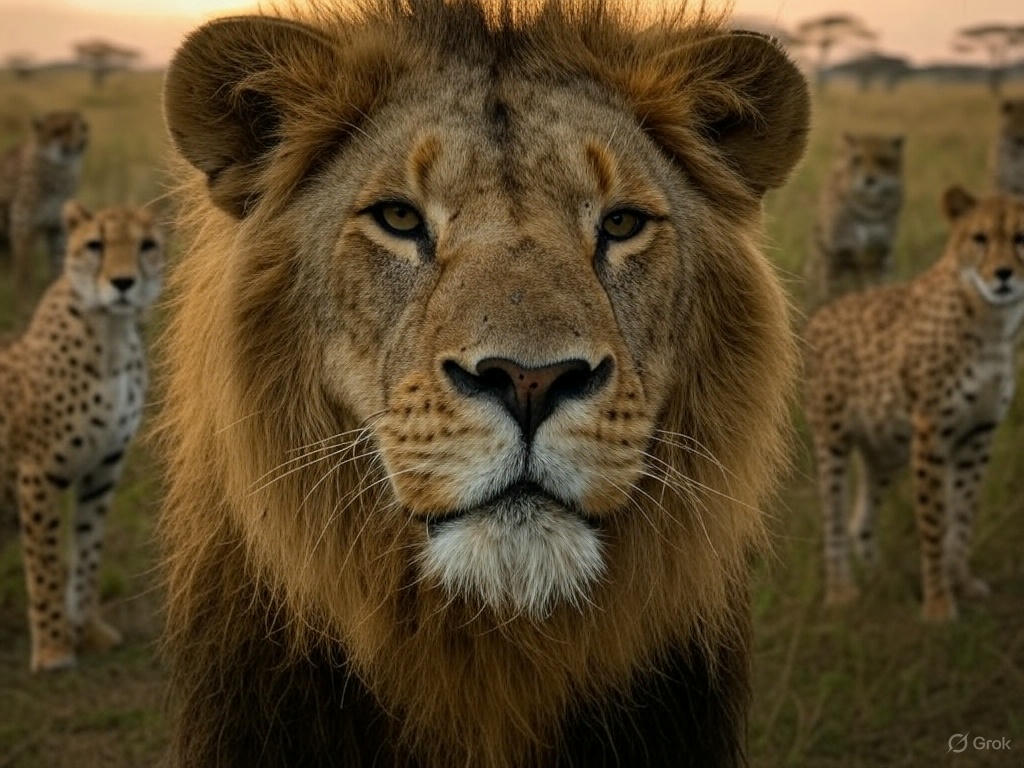
Africa’s iconic large carnivores—lions roaring across savannahs, leopards stalking in shadows, cheetahs sprinting at lightning speed—face a future teetering on the edge. But how do we know how many are left? A groundbreaking 2023 study in PLOS ONE pulls back the curtain on African carnivore population trends, exposing startling insights and sneaky biases that could reshape wildlife conservation forever. Buckle up as we dive into this scientific safari, uncovering what’s really happening to the continent’s fiercest predators and why it matters more than ever!
The Big Picture: Counting Africa’s Carnivores
For decades, scientists have trekked through Africa’s wild heartlands, counting paw prints, setting camera traps, and crunching numbers to track lion populations, leopard populations, and more. The PLOS ONE study, led by experts like Fernanda D. Abra, digs into 271 of these population assessments spanning 1971 to 2020. From the Serengeti to the Kalahari, it’s a treasure trove of data on five heavy hitters: lions, leopards, cheetahs, African wild dogs, and spotted hyenas. The goal? To spot trends in carnivore populations and figure out if our methods are telling the whole story—or hiding critical flaws.
The headline? Numbers are shaky. While lions and wild dogs show worrying declines in some spots, leopards and hyenas hold steadier ground. Cheetahs? A mixed bag, with some populations sprinting ahead and others lagging. But here’s the twist: the study doesn’t just tally heads—it questions how we’re counting them, revealing biases that could skew the fate of endangered carnivores.
Where Are We Looking—and Where Aren’t We?
Zoom into the map, and a pattern emerges. East Africa—think Tanzania and Kenya—dominates the research, with 60% of studies clustered there. Southern Africa follows, but West and Central Africa? Barely a whisper, with less than 10% of the focus. “It’s like we’re shining a spotlight on a few stages while the rest of the theater stays dark,” one researcher quipped. This geographic bias means vast swaths of African wildlife—like the jungles of Gabon or the Sahel’s fringes—remain enigmas, their carnivores uncounted and unprotected.
Why the gap? Logistics play a role—East Africa’s tourism hubs and research stations make data collection a breeze. But the study hints at deeper issues: funding flows where the lions roar loudest, leaving quieter regions in the shadows. For conservation strategies, this blind spot could be a fatal flaw.
The Method Madness: Tracks, Traps, and Trapdoors
How do you count a leopard that doesn’t want to be seen? The study breaks it down: camera traps lead the pack, used in 40% of assessments, snapping pics of elusive cats. Track surveys and call-ins (think lion roars on loudspeakers) follow, while DNA sampling trails behind. Each method has its fans—camera traps nail precision, tracks cover ground fast—but they’re not perfect. The PLOS ONE team found a methodological bias: studies favoring camera traps often report higher densities, while track surveys might lowball the numbers.
Here’s the kicker: protected areas—like national parks—get 80% of the attention, while unprotected lands, where humans and carnivores clash, are sidelined. “We’re counting where it’s easy, not where it’s urgent,” an X post from @WildlifeNow mused after the study dropped. This skew could overestimate how well threatened species are really doing, masking declines outside park fences.
Trends That Roar—and Those That Whisper
The data paints a tale of two Africas. Lion population trends show a grim slide in unprotected zones—down 60% in some regions since the 1990s—yet parks like Kruger hold steady. African wild dogs, pack hunters on the brink, flicker with hope in Botswana but fade elsewhere. Leopard populations seem resilient, their stealthy numbers stable across decades. Cheetah populations zigzag, thriving in Namibia but struggling in East Africa. And spotted hyenas? The scrappy survivors chug along, adapting where others falter.
But numbers alone don’t tell the truth. The study warns that sampling bias—over-focusing on “safe” zones—might paint a rosier picture than reality. Outside parks, habitat loss, poaching, and human-wildlife conflict are slashing carnivore numbers, yet these hotspots rarely make the dataset. It’s a wake-up call: our wildlife monitoring might be missing the forest for the trees.
Why This Matters for Conservation
This isn’t just a nerdy number-crunch—it’s a lifeline. Conservation efforts hinge on knowing where carnivores thrive and where they’re vanishing. If we’re blind to West Africa’s leopards or unprotected cheetahs, we can’t save them. The PLOS ONE findings push for a reset: spread the net wider, refine the tools, and fund the forgotten corners. “Bias isn’t just error—it’s risk,” tweeted @EcoWarriorX on March 20, 2025, echoing the study’s urgency.
For endangered species protection, this could mean redirecting millions from well-trodden parks to wild frontiers. It’s also a tech challenge—could drones or AI-powered traps close the gap? The stakes are sky-high: lose these carnivores, and ecosystems crumble, from prey balances to tourism dollars.
As above, so below: Deposition, modification, and reutilization of human remains at Marmoles cave
A Call to the Wild Future
The discovery of trends and biases in African carnivore counts isn’t the end—it’s the start. It’s a thrilling glimpse into a world we thought we knew, only to find it’s wilder, messier, and more fragile than ever. As scientists tweak their lenses and conservationists redraw their maps, one thing’s clear: saving Africa’s large carnivores demands we look harder, smarter, and farther. So, next time you hear a lion’s roar or spot a cheetah’s blur, wonder: are we counting them right—or are they slipping through our fingers?